
NFPA 13D residential sprinkler construction · Miami-Dade County
NFPA 13D Home Fire Sprinkler Installation in Miami-Dade County
Florida Fire Solutions provides NFPA 13D Home Fire Sprinkler Installation in Miami-Dade County for residential projects whose approved design establishes NFPA 13D as the sprinkler-system basis, coordinating piping and sprinklers with framing, ceilings and the home construction plans. Call now to discuss your residential plans.
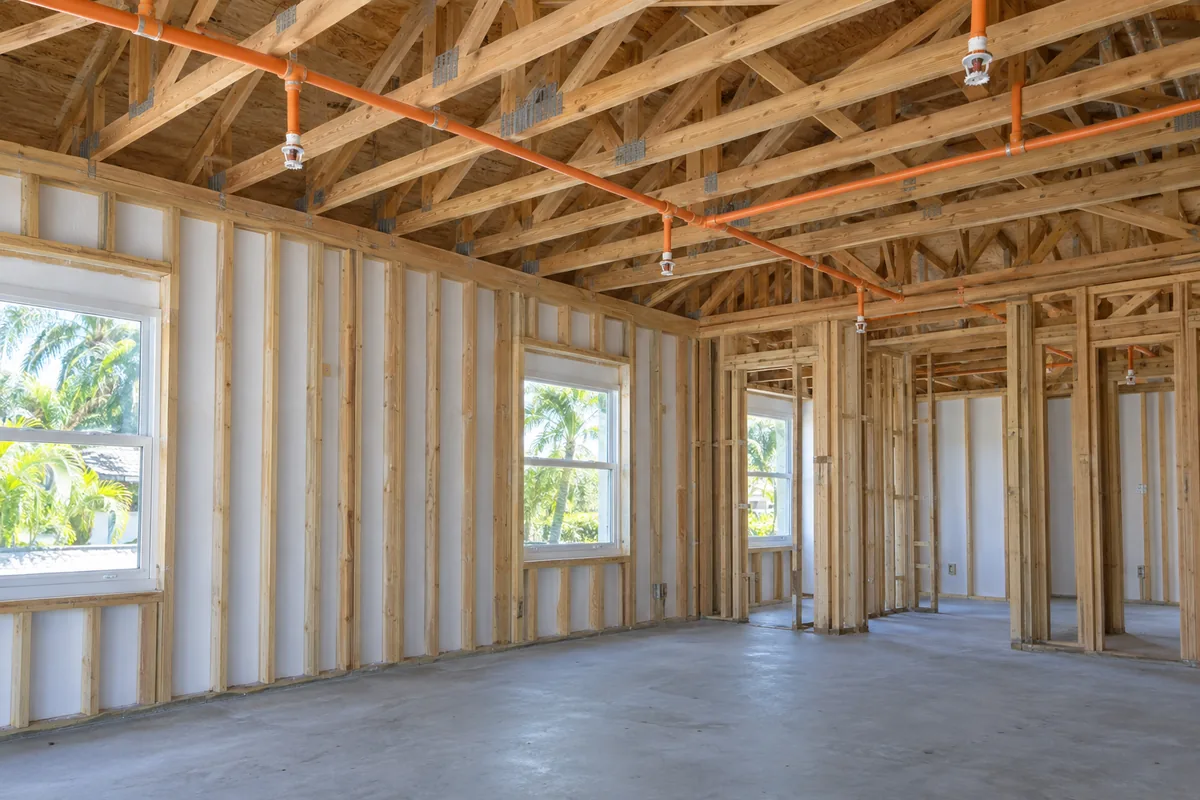
Project-specific residential installation
Install the home sprinkler system from the approved residential design
NFPA identifies NFPA 13D as the sprinkler-system standard for one- and two-family dwellings and manufactured homes. For an installation project, the building plans and approved residential sprinkler design establish the actual piping, sprinkler locations, water-supply arrangement and construction details that need to be built.
Florida Fire Solutions does not assume every home in Miami-Dade County requires an NFPA 13D system. The installation service begins when the project documents establish NFPA 13D as the applicable design basis and define the system to be installed.
Residential plans and routing
Coordinate sprinkler piping with rooms, framing cavities and finished ceilings
Residential sprinkler piping is installed inside a building that is changing quickly as framing, plumbing, electrical, mechanical and finish work progresses. The piping route needs to follow the approved design while remaining practical within the actual framing and ceiling conditions.
Floor plans
Room layouts, walls and floor transitions are reviewed against the residential sprinkler plans so the field installation follows the current house configuration.
Framing cavities
Approved piping routes are coordinated through accessible framing and ceiling spaces before drywall and other finishes conceal the available installation paths.
Sprinkler locations
Final sprinkler locations are installed from the approved residential design and coordinated with ceiling conditions, soffits, fixtures and other construction shown for the home.
Approved piping material
The piping, fittings and connection methods specified for the approved residential system are installed within the defined project scope rather than substituting materials by assumption.
Water-supply connection
The system connection and available water-supply information are coordinated with the approved residential sprinkler design before the installation is treated as complete.
Construction changes
Material changes to rooms, ceilings, framing or building systems should be identified when they affect conditions shown on the approved sprinkler documents.
Have the residential sprinkler drawings ready? Call now to review the home installation scope.
Residential construction sequence
Rough in the sprinkler piping before framing access is lost behind finishes
The residential sprinkler rough-in should be coordinated while framing and ceiling spaces remain accessible. Waiting until drywall and finished ceilings are installed can make routing changes and access more disruptive.
The sprinkler contractor also needs current plans when framing, ceiling details or other trades change. A field condition that no longer matches the approved design should be resolved through the project process before affected sprinkler work is improvised in place.
- Review the approved residential sprinkler drawings before field rough-in begins.
- Coordinate piping routes with framing, plumbing, electrical and mechanical work while concealed spaces remain accessible.
- Install sprinkler outlets and piping according to the approved residential design and defined project scope.
- Identify framing or ceiling revisions that affect sprinkler routing before drywall or finishes close the area.
- Complete the project-specific testing, inspection support and documentation assigned to the sprinkler installation contract.
Building from an approved NFPA 13D residential design? Request an installation quote before framing access is closed.
Call for a Project QuoteMiami-Dade project coordination
Confirm the residential permitting authority from the property address
Miami-Dade County’s current permitting guidance distinguishes incorporated municipalities from unincorporated Miami-Dade County. Properties inside an incorporated city use that municipality’s building official for building permits, while unincorporated properties use Miami-Dade County’s building permitting process.
That jurisdiction should be confirmed before assigning residential sprinkler permit, inspection or closeout responsibilities. A Miami-Dade County address alone does not establish one universal building-permit path for every home project.
Miami-Dade Fire Rescue’s current new-construction inspection guidance also states that its commercial Certificate of Occupancy inspection program does not inspect single-family homes. A single-family NFPA 13D project therefore should not automatically be scheduled around the commercial MDFR sprinkler-inspection sequence used for commercial buildings. Follow the residential project documents and the applicable building authority for the property.
- Confirm whether the property is in an incorporated municipality or unincorporated Miami-Dade County.
- Use the approved residential sprinkler drawings and current building plans for the installation.
- Identify permit, inspection, testing and documentation responsibilities before the sprinkler rough-in is scheduled.
- Do not assume the commercial fire-inspection workflow applies to a single-family NFPA 13D home project.
Common questions
NFPA 13D home fire sprinkler installation questions
Does every home in Miami-Dade County require an NFPA 13D sprinkler system?
No. This service is for residential projects where the approved design and applicable project requirements establish NFPA 13D as the sprinkler-system basis. Florida Fire Solutions does not assume one requirement applies to every home.
What type of building is NFPA 13D intended for?
NFPA identifies NFPA 13D as the standard for sprinkler systems in one- and two-family dwellings and manufactured homes. The actual project documents still need to establish the system being installed for the specific property.
How is NFPA 13D different from NFPA 13R?
NFPA 13D addresses one- and two-family dwelling systems, while NFPA 13R is a separate standard for qualifying low-rise residential occupancies such as multifamily projects. The approved design basis determines which installation belongs on the project.
When should the residential sprinkler piping be installed?
The installation should be coordinated with the construction schedule while framing and concealed spaces remain accessible. Current project drawings should be available before piping routes are closed behind drywall and finishes.
Who handles residential permits in Miami-Dade County?
The building authority depends on the property location. Miami-Dade County states that incorporated municipalities have their own building officials, while unincorporated properties use the County building-permit process. Confirm the jurisdiction from the project address before assigning permit and inspection responsibilities.
What should I send for an NFPA 13D installation quote?
Send the Miami-Dade County property address, architectural plans, approved residential sprinkler drawings, framing information, available water-supply information, construction schedule and any documents defining the sprinkler contractor’s installation scope.
Request an NFPA 13D home sprinkler installation quote in Miami-Dade County
Send Florida Fire Solutions the approved residential sprinkler plans and home construction drawings. We can review the framing, piping routes, sprinkler locations and installation work defined for your project.
Or call directly (305) 707-3473